
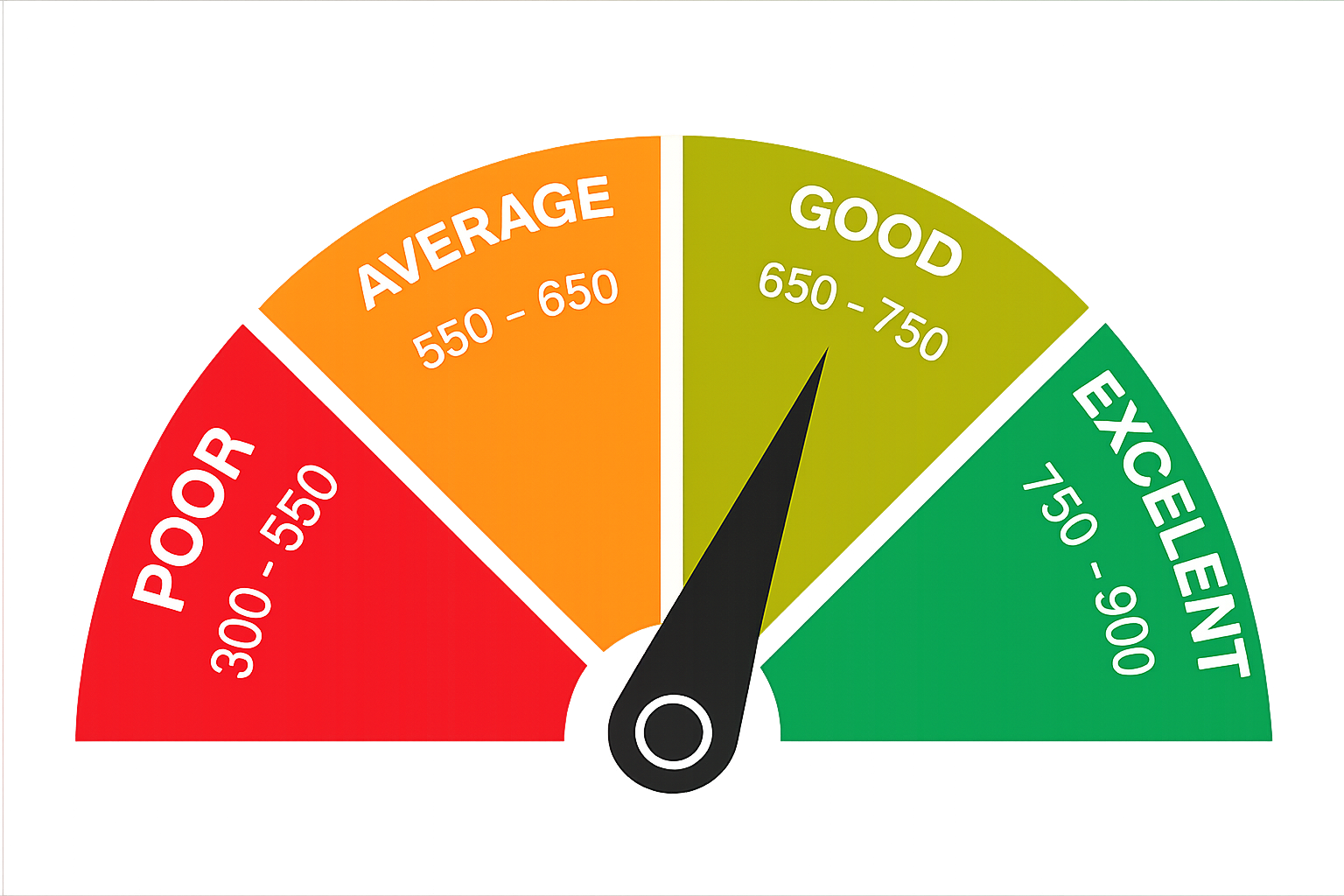

Your credit score significantly influences your ability to secure loans and credit, especially when it comes to major purchases like a home or car. If your score is low, improving it can seem like an overwhelming task. However, understanding how credit repair works and how to fix your credit fast can make this process manageable. In this article, we’ll explore the impact of credit repair on your score, how to rebuild your credit quickly, and how credit rebuilding books can help you along the way.
Understanding Credit Repair and Your Score
A credit score ranges from 300 to 850, with higher scores indicating better creditworthiness. When your score is low, lenders see you as a higher risk, which may result in denied applications or higher interest rates. Credit repair involves addressing negative marks on your credit report, such as late payments or high debt balances, to improve your score. This can be done through several strategies, which we’ll discuss in this article.
How to Fix Your Credit Fast: Key Steps
If you’re looking to fix your credit fast, here are a few effective steps that can help you make a significant impact on your score:
1. Check Your Credit Report for Errors
Start by reviewing your credit report from the three major bureaus: Equifax, Experian, and TransUnion. Look for errors or outdated information, such as accounts that are closed but still listed as open. Disputing inaccuracies can result in a quick boost to your credit score.
2. Pay Down High-Interest Debt
High-interest debt, especially on credit cards, can drag your score down. Focus on paying down your most expensive debts first using strategies like the debt avalanche or debt snowball method. This will lower your credit utilization rate, which accounts for 30% of your credit score.
3. Avoid New Credit Applications
Each time you apply for new credit, it generates a hard inquiry on your report, which can cause a slight dip in your score. While fixing your credit, avoid applying for new credit unless absolutely necessary.
4. Negotiate With Creditors
If you’re behind on payments, contacting your creditors can sometimes help you secure more favorable terms. Some creditors may even be willing to remove negative marks once you’re up-to-date with payments, helping to improve your score.
How Credit Rebuilding Books Can Help
Credit rebuilding books are a great resource for anyone looking to fix their credit. These books are written by financial experts and provide step-by-step strategies for improving your credit score. Here’s why they’re valuable:
- Actionable Advice:
Credit rebuilding books break down the credit repair process into clear, actionable steps. Whether it’s understanding credit scores, learning how to dispute errors, or negotiating with creditors, these books guide you every step of the way. - Debt Management Tips:
Many books offer strategies for managing debt effectively, helping you reduce balances faster and avoid common pitfalls that could set back your progress. - Real-Life Examples:
Case studies and success stories provide real-world inspiration, showing how others have successfully repaired their credit and improved their financial standing.
The Long-Term Benefits of Credit Repair
While you may want to fix your credit fast, it’s essential to recognize that credit repair is a long-term commitment. Here are the benefits of investing time and effort into improving your credit:
- Better Loan Terms:
A higher credit score means you’re more likely to qualify for loans with lower interest rates, which can save you thousands of dollars over time. - Increased Financial Opportunities:
A good credit score opens doors to better loan options, credit cards, and even rental agreements. Employers and landlords may also check your credit, and a strong score can give you an edge. - Improved Financial Freedom:
A repaired credit score allows you to manage your finances more effectively, whether you’re taking out a loan, applying for a new credit card, or buying a home.
Conclusion
In summary, credit repair is a powerful way to improve your credit score, enabling better financial opportunities and access to loans with favorable terms. By following steps such as reviewing your credit report, paying off high-interest debt, and avoiding new credit applications, you can begin improving your score quickly. Additionally, credit rebuilding books offer practical advice and real-life strategies to help guide you through the repair process.
Although fixing your credit takes time, the effort pays off in the form of lower interest rates, increased loan approval chances, and overall financial freedom. By implementing these strategies, you can achieve a better credit score and work toward a healthier financial future.